Warning: rename(/tmp/wordpress-seo.27.6-5G2a6X.tmp,/tmp/wordpress-seo.27.6.zip): Operation not permitted in /home1/yzrieljohn02/mjmdigitalmarketing.com/wp-admin/includes/file.php on line 1228

Warning: unlink(/tmp/wordpress-seo.27.6.zip): Operation not permitted in /home1/yzrieljohn02/mjmdigitalmarketing.com/wp-admin/includes/file.php on line 1233
April 2026 | MJM Digital Marketing

Month: April 2026

  • How To Rank Your Business Online With The Help of an SEO?

    Let’s be real for a second.

    Most business owners don’t wake up excited about SEO. You’re thinking about customers, revenue, keeping things running, not meta tags and backlinks.

    But at some point, the question hits:
    “Why are my competitors showing up on Google… and I’m not?”

    That’s usually where SEO enters the conversation.

    And here’s the thing, SEO isn’t just about rankings. It’s about visibility, trust, and being found when people actually need what you offer. The right search engine optimization doesn’t just push your site up the rankings. It positions your business so that when someone searches, your name feels like the obvious choice.

    Let’s break down how that really works.

    How Does An SEO Help Improve Business Visibility Online

    Think of an SEO as someone who understands both sides of the equation: what your customers are searching for and what Google wants to show them.

    Without that bridge, your website might exist, but it won’t be seen.

    They Align Your Business With What People Are Actually Searching

    One of the biggest mistakes businesses make is assuming they know what their customers are typing into Google.

    An SEO digs into real data:

    • Search terms people are using
    • Questions customers are asking
    • Local intent behind searches

    Instead of guessing, your business gets positioned in front of actual demand.

    They Fix What’s Holding You Back

    Sometimes the issue isn’t what you’re doing, it’s what you’re missing.

    An SEO looks at your website and identifies:

    • Technical issues (slow speed, broken pages)
    • Poor structure or navigation
    • Missing or weak content
    • Lack of local optimization

    It’s like tuning an engine. You might have a great car, but if something’s off under the hood, it won’t perform.

    They Build a Strong Online Presence (Not Just a Website)

    Visibility today isn’t limited to your homepage.

    An SEO helps expand your presence across:

    • Google Business Profile
    • Local directories
    • Content platforms
    • Search results beyond your main site

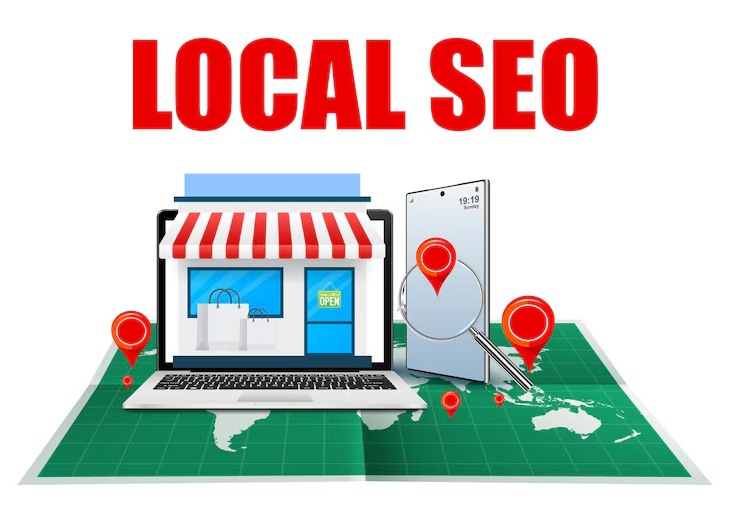
    This creates multiple entry points for customers to find you. For businesses trying to dominate map packs and location-based searches, local SEO becomes a big part of that visibility strategy.

    They Make You Easier to Trust

    Showing up is one thing. Being chosen is another.

    An SEO helps build trust through:

    • Consistent branding
    • Positive reviews
    • Quality content
    • Authority signals (like backlinks)

    Because when people trust what they see, they’re more likely to click, and convert.

    Why Is SEO Important For Ranking A Business On Search Engines

    Let’s put it bluntly: if you’re not investing in SEO, you’re leaving visibility on the table.

    And visibility equals opportunity.

    Search Engines Are Where Decisions Start

    Before people call, visit, or buy, they search.

    Whether it’s:

    • “best dentist near me”
    • “affordable roof repair”
    • “emergency plumber in [city]”

    These searches are happening every day. If you’re not there, your competitors are. If you want a deeper breakdown, this pairs naturally with what is SEO and why it is important for businesses with an online presence.

    SEO Helps You Show Up Consistently

    Ads can get you quick visibility, but once you stop paying, that visibility disappears.

    SEO works differently.

    When done right:

    • Your rankings stabilize
    • Your traffic grows over time
    • Your business becomes easier to find consistently

    It’s more like building a system than flipping a switch.

    It Levels the Playing Field

    You don’t need to be the biggest business to rank.

    You just need to be:

    • Relevant
    • Optimized
    • Consistent

    A well-executed SEO strategy can help a smaller business outperform larger competitors who ignore it.

    It Brings In High-Intent Traffic

    Not all traffic is equal.

    SEO targets people who are:

    • Actively searching
    • Looking for solutions
    • Ready to take action

    That’s why SEO traffic often converts better than other channels.

    What Role Does An SEO Play In Increasing Website Traffic

    Traffic doesn’t just happen. It’s built.

    And an SEO’s role is to create a steady flow of the right visitors, not just more visitors.

    They Target the Right Keywords

    Not all keywords are worth chasing.

    An SEO focuses on:

    • High-intent keywords (people ready to act)
    • Local keywords (people nearby)
    • Long-tail keywords (specific, less competitive searches)

    This ensures your traffic isn’t just bigger, it’s better.

    They Create Content That Attracts and Engages

    Content isn’t about filling pages. It’s about answering questions.

    An SEO helps create content that:

    • Solves real problems
    • Matches search intent
    • Keeps people reading

    And when people stay on your site, Google takes that as a positive signal. This is also why crafting SEO-friendly content writing for both users and search engines matters so much when building long-term organic traffic.

    They Improve Click-Through Rates

    Ranking is only half the battle.

    An SEO also works on:

    • Title tags that grab attention
    • Meta descriptions that encourage clicks

    Because if no one clicks your listing, your ranking doesn’t matter. According to MJM Digital Marketing, strong search visibility is not just about placement, but about making your brand compelling enough to earn the click.

    They Optimize for Conversions (Not Just Visits)

    More traffic is great, but only if it turns into something.

    An SEO helps ensure your site:

    • Guides users clearly
    • Has strong calls-to-action
    • Makes it easy to contact you

    So traffic becomes leads, not just numbers on a report.

    How Long Does It Take For SEO To Improve Online Rankings

    This is the question everyone asks, and the one that usually gets a frustrating answer.

    So let’s keep it real.

    SEO Takes Time… But It’s Not Random

    Typical timelines:

    • 1–3 months: Initial improvements and indexing
    • 3–6 months: Noticeable ranking growth
    • 6–12 months: Strong, stable results

    But here’s the key: it depends on where you’re starting.

    What Affects Your Timeline

    Several factors can speed things up, or slow them down:

    • Competition in your industry
    • Current condition of your website
    • Strength of your content
    • Backlink profile
    • Consistency of your SEO efforts

    A brand-new site in a competitive market will take longer than an established business with some authority.

    Why Some Businesses See Faster Results

    You’ve probably seen businesses that seem to rank quickly.

    That usually happens because:

    • They invest early and consistently
    • They focus on the right keywords
    • They build authority from the start
    • They avoid common SEO mistakes

    It’s not luck. It’s alignment.

    The Long-Term Payoff

    SEO isn’t instant, but it’s durable.

    Unlike short-term marketing tactics, SEO builds momentum:

    • Your rankings improve
    • Your traffic grows
    • Your authority strengthens

    And over time, it becomes one of your most reliable sources of customers.

    So, Do You Really Need an SEO?

    Here’s the honest answer: not always.

    Some businesses can handle the basics on their own. But once you start competing in a serious market, SEO becomes less about “can I do this?” and more about “am I doing this efficiently?”

    Because trial and error costs time. And in business, time is expensive.

    An SEO helps you:

    • Avoid costly mistakes
    • Focus on what actually works
    • Move faster with a clear strategy

    It’s not about outsourcing everything. It’s about accelerating your progress.

    Let’s Turn Your Website Into Your Best Sales Tool With MJM Digital Marketing

    At MJM Digital Marketing, we don’t treat SEO like a checklist.

    We treat it like a growth strategy.

    That means:

    • Building visibility where it matters
    • Creating content that connects with real people
    • Optimizing your presence so customers don’t just find you, they choose you

    If you’re tired of wondering why your competitors are ranking and you’re not, it might be time to change the approach.

    Let’s work together to turn your online presence into something that actually drives results, not just traffic, but real, consistent business growth.
  • What Are the Most Important Google Ranking Factors for Businesses Today?

    What Are the Most Important Google Ranking Factors for Businesses Today?

    Let’s clear something up right away.

    Google’s algorithm isn’t some mysterious black box anymore. Sure, there are hundreds of ranking factors, and yes, Google keeps evolving. But if you zoom out, the core idea has stayed surprisingly consistent:

    Google wants to rank the most helpful, trustworthy, and easy-to-use result for the searcher.

    That’s it.

    The problem? A lot of businesses are still chasing outdated tactics. Keyword stuffing, mass link buying, thin content pages… those tricks might have worked years ago, but today they slow you down more than they help.

    If you want to rank in today’s landscape, especially moving into 2026, you need to understand what actually matters now.

    Let’s break it down in a way that makes sense.

    What Factors Influence Google Rankings For Businesses In 2026

    If you’re hoping for a simple checklist, I get it. But ranking today is more like a system than a list.

    Still, there are a few major pillars that consistently drive results.

    1. Relevance to Search Intent

    Google isn’t just matching keywords anymore. It’s matching intent.

    If someone searches:

    • “best HVAC company near me” → they want options and reviews
    • “how to fix AC blowing warm air” → they want a guide

    If your page doesn’t match what the user is actually looking for, it won’t rank, no matter how optimized it is. That’s why understanding intent matching matters more than ever.

    2. Authority and Trust

    Google asks one key question: Can we trust this business?

    Signals that build trust include:

    • Quality backlinks from real websites
    • Positive and consistent reviews
    • Accurate business information across platforms
    • Brand mentions online

    Think of it like reputation in the real world. If people vouch for you, Google listens.

    3. Technical Performance

    This is the “behind the scenes” part, but it still matters.

    Your site should:

    • Load quickly (no one waits anymore)
    • Work perfectly on mobile
    • Be easy for Google to crawl and understand

    If your site is slow or broken, it creates friction, and Google notices that.

    4. Consistency Across Your Online Presence

    Google doesn’t just look at your website. It looks everywhere.

    That includes:

    • Your Google Business Profile
    • Directory listings
    • Social profiles

    Everything should match and reinforce your credibility.

    5. Engagement Signals

    Here’s where things get interesting.

    Google watches how users behave:

    • Do they click your listing?
    • Do they stay on your page?
    • Do they bounce right away?

    These signals help Google figure out if your content is actually useful.

    So yes, rankings are influenced by what you do, but also by how people respond to what you do.

    How Does User Experience Impact Search Rankings For Local Businesses

    Let’s talk about something that gets overlooked all the time: how your website feels to use.

    User experience (UX) isn’t just a design thing. It’s a ranking factor.

    And honestly, it makes sense.

    If people land on your site and immediately feel lost, frustrated, or overwhelmed… why would Google keep sending traffic your way?

    What Good User Experience Looks Like

    A strong user experience is simple, clear, and helpful.

    Your site should:

    • Load fast (especially on mobile)
    • Be easy to navigate
    • Clearly explain what you offer
    • Make it obvious how to contact you

    No guessing. No confusion.

    What Hurts Your Rankings

    Let’s be real, some websites feel like they were built in 2010 and never touched again.

    Common UX problems:

    • Slow load times
    • Cluttered layouts
    • Hard-to-read text
    • Broken links
    • No clear call-to-action

    When users struggle, they leave. And when they leave quickly, Google sees that as a negative signal. That’s one reason local SEO today has to include both visibility and a strong on-site experience.

    Local Businesses Have an Extra Layer

    If you’re a local business, UX goes beyond your website.

    It also includes:

    • Your Google Business Profile
    • Your reviews
    • Your photos

    If someone clicks your listing and sees outdated info or no reviews, that’s a poor experience before they even reach your site.

    The Bottom Line

    User experience isn’t just about aesthetics. It’s about making things easy.

    And the easier you make it for people to find what they need, the more Google rewards you. This lines up closely with what Google continues to emphasize around creating helpful, people-first experiences.

    Why Is Content Relevance Important For Improving Google Rankings

    Content is still king, but not in the way people used to think.

    It’s not about writing more. It’s about writing better.

    And more importantly, writing relevant content.

    What “Relevant” Actually Means

    Relevant content:

    • Directly answers the user’s question
    • Matches the intent behind the search
    • Provides real value (not fluff)

    It’s not about impressing Google. It’s about helping the person searching.

    The Problem With Generic Content

    A lot of business websites fall into this trap.

    They publish content that sounds like:

    “We provide high-quality services with excellent customer satisfaction…”

    That doesn’t help anyone.

    Google is smart enough to recognize when content is:

    • Repetitive
    • Vague
    • Written just for SEO

    And it won’t reward it.

    What Works Better

    Content that ranks today feels real.

    It:

    • Explains things clearly
    • Uses natural language
    • Anticipates follow-up questions
    • Actually solves a problem

    For example, instead of writing a generic service page, you could:

    • Break down common customer concerns
    • Explain your process
    • Share insights from real experience

    That’s the kind of content people stay on, and Google notices. It’s also why investing in content writing can make such a big difference when you want pages that actually perform.

    A Simple Way to Think About It

    Ask yourself:

    “If I searched this, would I feel satisfied after reading it?”

    If the answer is no, it needs work.

    Backlinks are still one of the strongest ranking factors. But they’ve changed.

    It’s no longer about getting as many links as possible. It’s about getting the right links.

    A backlink is like a recommendation.

    When another website links to you, it’s saying:

    “This business is worth checking out.”

    The more credible the source, the stronger the signal.

    This is where a lot of businesses go wrong.

    A single link from a reputable, relevant site can be more powerful than dozens of low-quality links.

    Focus on:

    • Local websites
    • Industry-related blogs
    • Trusted directories
    • News features or mentions

    What to Avoid

    Shortcuts here can hurt you.

    Avoid:

    • Buying spammy links
    • Joining link farms
    • Using automated link-building tools

    These might give a temporary boost, but they often lead to penalties.

    You don’t need a massive PR team. Start simple:

    • Partner with local businesses
    • Get listed in local directories
    • Sponsor community events
    • Create content people actually want to reference

    Even small efforts add up over time. And if you want a deeper look at what works now, link building that works now is a much better approach than chasing outdated volume tactics.

    At the end of the day, backlinks help Google answer one key question:

    “Who should we trust?”

    And in competitive industries, trust is often the difference between page one and page five.

    So… What Should You Really Focus On?

    If you strip everything down, Google rankings come down to this:

    • Be relevant to what people are searching
    • Be trustworthy in your industry
    • Be easy to use and navigate
    • Be genuinely helpful

    That’s it.

    You don’t need to chase every algorithm update. You just need to stay aligned with what Google is trying to do, serve the user.

    And the businesses that win are the ones that focus on long-term value, not quick tricks.

    Stop Chasing Rankings—Start Building Real Visibility With MJM Digital Marketing

    At MJM Digital Marketing, we approach SEO differently.

    We don’t chase loopholes or temporary wins. We focus on building a strong, sustainable presence that actually drives customers, not just clicks.

    From creating content that connects with real people to optimizing your local visibility and building authority the right way, we help businesses grow in a way that lasts.

    If you’re ready to stop guessing what works and start seeing real progress, let’s build something that puts your business exactly where it needs to be, right in front of your customers.

  • How Can Local SEO Help Your Business Get More Customers Nearby?

    How Can Local SEO Help Your Business Get More Customers Nearby?

    Let’s start with something simple.

    When someone pulls out their phone and searches “plumber near me” or “best dentist in [city],” they’re not just browsing. They’re ready. They need something now, or at least soon.

    And here’s the uncomfortable truth: if your business isn’t showing up in those moments, you’re invisible.

    Local SEO isn’t about chasing trends or trying to outsmart Google. It’s about showing up when people nearby are already looking for exactly what you offer. Done right, it turns your business into the obvious choice in your area.

    Let’s walk through how that actually works and why it matters more than most businesses realize.

    How Does Local SEO Improve Visibility for Nearby Customers

    Local SEO is like putting your business on the busiest street in town, but digitally.

    Instead of relying on foot traffic, you’re showing up where people are already searching. And those searches are incredibly powerful because they come with intent.

    Think about the difference:

    • Someone scrolling social media = casually interested
    • Someone searching “emergency HVAC repair near me” = ready to act

    Local SEO helps you capture that second type of customer.

    Here’s how it improves visibility:

    1. You Show Up in the “Map Pack”

    That top section with 3 businesses and a map? That’s prime real estate.

    If you’re there:

    • You get more clicks
    • You get more calls
    • You get more direction requests

    Most users don’t scroll past it.

    2. You Appear in “Near Me” Searches

    Google uses location signals to match users with nearby businesses.

    If your local SEO is strong, your business becomes part of that shortlist when someone searches:

    • “coffee shop near me”
    • “roof repair near me”
    • “best chiropractor near me”

    3. You Gain Visibility Beyond Your Website

    Local SEO isn’t just about your website. It’s about your presence across platforms:

    • Google Business Profile
    • Local directories
    • Maps apps
    • Review platforms

    Even if someone never visits your website, they can still call you directly.

    4. You Compete Where It Actually Matters

    You don’t need to outrank national brands. You just need to outrank businesses in your area.

    That’s a much smaller battlefield, and a much more winnable one.

    Why Is Local SEO Important for Small Businesses Targeting Local Markets

    If you’re a small business, local SEO isn’t optional. It’s your advantage.

    You’re not trying to be everywhere. You’re trying to dominate your area.

    And local SEO lets you do exactly that.

    Here’s why it matters so much:

    You’re Competing on Relevance, Not Size

    Big companies may have bigger budgets, but they don’t always have local relevance.

    Google cares about:

    • Proximity
    • Relevance
    • Trust

    That means a well-optimized local business can outrank a larger competitor simply because it’s more relevant to the search.

    You Capture High-Intent Customers

    Local searches often come with urgency.

    People searching locally are:

    • Looking for services now or soon
    • Ready to make decisions quickly
    • More likely to convert

    This isn’t traffic for the sake of traffic. This is traffic that turns into revenue.

    You Build Trust Through Visibility

    When people see your business repeatedly, on maps, in search results, in reviews, it creates familiarity.

    And familiarity builds trust.

    Even if they don’t choose you the first time, they’re more likely to remember you the next time they need your service.

    You Create a Long-Term Growth Channel

    Unlike ads, local SEO doesn’t stop when you stop paying.

    Once you build strong local visibility:

    • You continue getting leads
    • Your rankings stabilize
    • Your authority grows over time

    It’s not instant, but it compounds.

    What Factors Influence Local Search Rankings for Businesses

    Local SEO isn’t random. There’s a structure behind it.

    Google looks at a mix of signals to decide which businesses show up first.

    Let’s break down the most important ones.

    1. Google Business Profile Optimization

    This is your foundation.

    If your profile is incomplete or inconsistent, you’re already behind.

    Make sure you have:

    • Accurate business name, address, and phone number (NAP)
    • Correct categories
    • Updated hours
    • High-quality photos
    • Regular posts and updates

    This is often the fastest win in local SEO, especially when paired with a strong Local SEO strategy.

    2. Reviews (And How You Handle Them)

    Reviews aren’t just about reputation. They’re a ranking factor.

    What matters:

    • Quantity of reviews
    • Quality (ratings and detailed feedback)
    • Frequency (consistent new reviews)
    • Responses from your business

    Even how you respond to negative reviews matters. It shows engagement and professionalism.

    3. Local Citations and Listings

    These are mentions of your business across the web.

    Examples include:

    • Yelp
    • Yellow Pages
    • Industry-specific directories

    Consistency is key. Your business information should match everywhere.

    4. On-Page Local Optimization

    Your website still plays a big role.

    Important elements:

    • Location-specific keywords
    • Service area pages
    • Clear contact information
    • Embedded maps

    Your website should reinforce your local presence, not confuse it. That’s also why businesses investing in search engine optimization services tend to build stronger local visibility over time.

    Links from other websites act like endorsements.

    Even small, local links can make a difference:

    • Local news sites
    • Community blogs
    • Partner businesses

    These tell Google you’re part of the local ecosystem.

    6. User Engagement Signals

    Google pays attention to how people interact with your listing.

    Things like:

    • Clicks
    • Calls
    • Direction requests
    • Time spent on your site

    If people engage with your business, it’s a positive signal.

    How Does Google Business Profile Impact Local SEO Results

    If local SEO had a control center, this would be it.

    Your Google Business Profile (GBP) is often the first impression people get of your business. Sometimes, it’s the only one.

    Let’s talk about why it matters so much.

    It Puts You on the Map (Literally)

    Without a GBP, you won’t show up in Google Maps.

    And if you’re not on the map, you’re missing a huge chunk of local traffic.

    It Drives Direct Actions

    People don’t always visit your website anymore.

    They:

    • Call directly from your listing
    • Get directions
    • Read reviews
    • Check your hours

    Your GBP acts like a mini-website that lives inside Google.

    It Builds Instant Credibility

    When someone sees:

    • Strong reviews
    • Updated photos
    • Active responses

    It creates confidence.

    Compare that to a listing with:

    • No photos
    • Few reviews
    • Outdated info

    Which one would you trust?

    It Rewards Activity

    Google favors businesses that stay active.

    Simple actions like:

    • Posting updates
    • Adding new photos
    • Responding to reviews

    …can help keep your listing competitive.

    It Levels the Playing Field

    You don’t need a massive website to compete locally.

    A well-optimized GBP can outperform larger businesses that neglect it. If you want a deeper look at how local visibility works after algorithm changes, this guide on local hyperlocal SEO tactics post-update is worth reading.

    So, What’s the Real Takeaway?

    Local SEO isn’t just about rankings. It’s about being present when it matters most.

    When someone nearby is searching for your service, you want to be:

    • Easy to find
    • Easy to trust
    • Easy to contact

    And the businesses that get this right aren’t necessarily the biggest or the oldest. They’re the ones that consistently show up and stay relevant.

    If you treat local SEO like an afterthought, you’ll always be catching up.

    But if you treat it like a core part of your strategy, it becomes one of the most reliable ways to grow your business.

    Turn “Near Me” Searches Into Real Customers With MJM Digital Marketing

    At MJM Digital Marketing, we focus on one thing: helping your business become the obvious choice in your local area.

    We don’t just optimize listings and call it a day. We build a complete local presence that works together, your Google Business Profile, your website, your content, and your reputation.

    Because ranking is one thing. Getting customers is another.

    If you’re ready to stop being invisible in your own market and start turning local searches into real leads, we’re here to help you make that happen.

  • 10 SEO Strategies That Actually Work in 2026 (Philippines Edition)

    What top Filipino SEO experts are really doing behind the scenes

    Most SEO advice in the Philippines is outdated.

    You’ll see the same tips everywhere:

    • “Write good content”
    • “Use keywords”
    • “Build backlinks”

    But here’s the truth:

    👉 That’s not enough anymore.

    SEO in 2026 is more competitive, more technical, and more intent-driven than ever — especially if you’re targeting local markets like Cebu, Manila, or nationwide clients.

    In this guide, I’ll break down the exact SEO strategies that are working right now, based on real execution — not theory.


    1. Target Buyer-Intent Keywords (Not Just Traffic Keywords)

    What most people do:

    They chase high-volume keywords like:

    • “SEO Philippines”
    • “Digital marketing”

    What actually works:

    You target keywords that signal intent to buy.

    Examples:

    • “SEO services Cebu price”
    • “best SEO agency Philippines”
    • “local SEO expert near me”

    These keywords:

    • Have lower competition
    • Convert significantly better

    👉 Traffic is useless if it doesn’t turn into leads.


    2. Build Topical Authority (Not Just One Blog Post)

    Google no longer ranks isolated articles.

    It ranks entities and authority clusters — something deeply tied to how search engines work: crawling, indexing, and ranking.

    What you should do:

    Instead of writing one post like:

    “SEO Tips Philippines”

    Create a content cluster:

    • SEO basics Philippines
    • Local SEO Cebu guide
    • On-page SEO checklist
    • Link building strategies PH
    • Technical SEO audit guide

    👉 Interlink them all.

    This tells Google:

    “This site owns the topic.”


    3. Use Long-Tail Keywords to Dominate Faster

    In the Philippines market, competition is lower — which is an advantage if you play it right.

    Example:

    Instead of:

    “SEO services”

    Go for:

    “affordable SEO services Cebu for small business”

    These:

    • Rank faster
    • Bring qualified leads
    • Are easier to dominate

    👉 This is how newer sites compete with established agencies.


    4. Optimize for Local SEO (This Is a Goldmine in PH)

    Most businesses in the Philippines still underutilize local SEO.

    That’s your edge.

    Focus on:

    • Google Business Profile optimization
    • Location pages (Cebu, Manila, Davao)
    • Local keywords
    • Reviews + citations

    Example:

    Instead of one page:

    Create:

    • /seo-services-cebu
    • /seo-services-manila

    👉 Local SEO = faster rankings + higher conversions

    If you want to fully capitalize on this, investing in local SEO services can significantly accelerate your visibility in your target cities.


    5. Write Content That Matches Search Intent (Not Just Keywords)

    Google cares less about keywords now — and more about intent satisfaction. Even Google emphasizes this in its official Search Central documentation on helpful content.

    Example:

    Keyword:

    “SEO services Philippines”

    User intent:

    • Pricing
    • Results
    • Case studies
    • Trust

    So your content should include:

    • Pricing ranges
    • Before/after results
    • Testimonials
    • Process breakdown

    👉 If your page doesn’t satisfy intent, it won’t rank — no matter how optimized it is.


    6. Improve Technical SEO (Most Sites Are Weak Here)

    This is where you can outperform competitors quickly.

    Key areas:

    • Site speed (especially mobile — huge in PH)
    • Clean URL structure
    • Proper indexing
    • Core Web Vitals
    • Schema markup

    Reality:

    Most Philippine business websites are:

    • Slow
    • Poorly structured
    • Not optimized for mobile

    👉 Fixing this alone can give you an advantage.


    Backlinks still matter — a lot.

    But not all links are equal.

    What works now:

    • Guest posts on relevant sites
    • Niche edits
    • Local directories
    • Partnerships

    What doesn’t work:

    • Spam links
    • Low-quality link farms
    • Mass submissions

    👉 Focus on relevance + authority, not volume.


    8. Use Internal Linking to Boost Rankings

    This is one of the most overlooked strategies.

    What most people do:

    They ignore internal links.

    What you should do:

    • Link related blog posts together
    • Pass authority to important pages
    • Use keyword-rich anchor text

    For example, combining this with strategies from local & hyperlocal SEO tactics can significantly strengthen your site structure.

    👉 Internal links help Google understand your site structure and boost rankings.


    9. Track, Analyze, and Optimize Constantly

    SEO is not “set and forget.”

    You need:

    • Google Search Console
    • Google Analytics
    • Ahrefs or SEMrush

    What to monitor:

    • Keyword rankings
    • Click-through rates
    • Traffic sources
    • Conversion rates

    Then:

    👉 Optimize what’s already working instead of always starting from scratch.


    10. Focus on Conversions (Not Just Rankings)

    This is where most SEO fails.

    You can rank #1 and still make no money.

    You need:

    • Strong CTAs
    • Clear offers
    • Landing pages
    • Lead capture forms

    Example:

    Instead of:

    “Contact us”

    Use:

    “Get a free SEO audit for your website”

    👉 SEO should generate revenue — not just traffic

    Working with a professional search engine optimization service ensures your strategy is built for both rankings and conversions.


    Bonus: What Filipino SEO Experts Do Differently

    The best SEO professionals in the Philippines understand:

    • Mobile-first users dominate
    • Local intent is powerful
    • Competition is still beatable (for now)
    • Speed + execution beats perfection

    👉 They don’t just follow trends — they adapt fast.


    Final Thoughts

    SEO in 2026 is no longer about tricks.

    It’s about:

    • Strategy
    • Consistency
    • Understanding user behavior

    If you apply these 10 strategies correctly, you won’t just rank…

    👉 You’ll generate real leads and revenue.


    Want Help Ranking Your Website?

    If you want to apply these strategies to your business:

    • I can audit your website
    • Identify what’s holding you back
    • Show you exactly how to rank in your niche

    👉 Just reach out — I’ll point you in the right direction.

  • What Should I Do To Make My Business Rank Fast?

    What Should I Do To Make My Business Rank Fast?

    Let’s be honest. Everyone wants to rank fast.

    You launch a website, publish a few pages, maybe write a couple of blogs… and then you check Google the next day expecting magic. Nothing. Maybe page 7 if you’re lucky.

    It’s frustrating, especially when you see competitors showing up everywhere.

    Here’s the reality: ranking fast is possible, but not in the way most people think. It’s not about shortcuts. It’s about stacking the right advantages early so Google has no reason to ignore you.

    Think of it less like “gaming the system” and more like “earning trust quickly.”

    Let’s break it down.

    How Long Does It Take For A Business To Rank On Google

    This is the question everyone asks, and the answer is always… “it depends.”

    But let’s give you a real-world perspective instead of vague SEO talk.

    For most businesses:

    • Brand new website: 3 to 6 months to see traction
    • Competitive industries like HVAC, legal, and dental: 6 to 12+ months
    • Local niches with less competition: 1 to 3 months for early visibility

    Now here’s the part people don’t like hearing:

    You can’t skip time, but you can compress it.

    Google doesn’t just rank websites. It ranks trust. And trust builds through signals:

    • Consistent content
    • Authority (links, mentions)
    • User behavior (clicks, engagement)
    • Relevance to search intent

    If your site launches with all of these aligned from day one, you don’t have to wait as long as someone figuring it out along the way.

    A lot of businesses delay their own rankings because they:

    • Publish thin or generic content
    • Ignore local SEO setup
    • Don’t build backlinks early
    • Treat SEO like a one-time task instead of a system

    So instead of asking, “How long will it take?”

    A better question is: “How quickly can I build enough trust signals?”

    What Factors Influence How Quickly A Website Ranks In Search Results

    If ranking faster is the goal, then you need to understand what actually moves the needle.

    There are dozens of ranking factors, but a handful really determine speed:

    1. Content Quality (Not Just Quantity)

    You don’t need 100 blog posts. You need the right ones.

    Content that ranks faster usually:

    • Answers a clear question
    • Matches search intent perfectly
    • Goes deeper than competitors
    • Feels human, not robotic

    Google can tell when content is written just to “fill space.” So can readers.

    2. Domain Authority (Your Reputation)

    A brand-new website has zero history. That’s like opening a business in the middle of nowhere with no reviews.

    To speed things up:

    • Get backlinks from relevant sites
    • List your business in trusted directories
    • Earn mentions, even small ones

    Each one acts like a vote saying, “This business is legit.”

    3. On-Page SEO Done Right

    This is your foundation. If it’s messy, everything else struggles.

    Key areas:

    • Proper keyword targeting, not stuffing
    • Clean page structure (H1, H2, etc.)
    • Fast loading speed
    • Mobile-friendly design

    You don’t need to overcomplicate it. You just need to get it right. A strong search engine optimization strategy starts with these basics before anything else.

    4. Local SEO Signals (If You’re a Local Business)

    This is huge and often overlooked.

    Make sure you:

    • Fully optimize your Google Business Profile
    • Get consistent NAP (Name, Address, Phone) across listings
    • Collect real customer reviews regularly

    Local SEO can be the fastest win if done properly. It also helps to understand how search engines work so you can align your site structure, content, and visibility efforts from the start.

    5. User Behavior

    This is the quiet ranking factor nobody talks about enough.

    If people:

    • Click your listing
    • Stay on your page
    • Interact with your content

    Google takes that as a strong signal.

    If they bounce immediately, that’s a red flag.

    That’s why writing for humans, not just search engines, is what speeds things up.

    Why Do Some Businesses Rank Faster Than Others Online

    Ever notice how some businesses seem to “skip the line”?

    They launch, and suddenly they’re everywhere.

    It’s not luck.

    Here’s what they’re doing differently:

    They Start With a Strategy (Not Guesswork)

    Most businesses publish random content and hope something sticks.

    Faster-ranking businesses:

    • Target specific keywords intentionally
    • Build content clusters, not isolated pages
    • Align every page with a purpose

    It’s like building a house with a blueprint instead of just stacking bricks.

    They Invest Early

    Speed comes from momentum.

    Businesses that rank faster usually:

    • Invest in SEO from the start
    • Don’t wait until they “need leads”
    • Treat visibility as a priority, not an afterthought

    Waiting 6 months to start SEO means you’ve already lost 6 months.

    They Build Authority Quickly

    They don’t rely on content alone.

    They:

    • Get backlinks early
    • Collaborate with other websites
    • Use PR or local partnerships

    This accelerates trust in Google’s eyes.

    They Don’t Try to Do Everything

    This is a big one.

    Instead of targeting 50 keywords poorly, they:

    • Focus on a handful of high-impact terms
    • Dominate those first
    • Expand later

    Focus creates speed.

    They Sound Human

    This might sound simple, but it matters more than ever.

    Content that feels natural:

    • Keeps people reading
    • Builds trust
    • Converts better

    Google rewards content that people actually enjoy.

    Can Paid Ads Help Improve Organic Search Ranking Speed

    Short answer: Not directly.

    Google has been clear about this. Running ads won’t magically boost your organic rankings.

    But here’s where it gets interesting…

    Paid ads can still indirectly help you rank faster.

    Here’s how:

    1. Instant Traffic = Faster Data

    Ads bring people to your site right away.

    This helps you:

    • See what converts
    • Identify strong keywords
    • Understand user behavior

    That data can improve your SEO strategy quickly.

    2. Brand Visibility Increases Trust

    When people:

    • See your ad
    • Then see your organic listing later

    They’re more likely to click.

    Higher click-through rates can improve your rankings over time.

    3. You Can Test Content Before Committing

    Instead of guessing which pages will work, you can:

    • Run ads to landing pages
    • See what messaging performs best
    • Use that insight for SEO pages

    It’s like testing before scaling.

    4. Supports Overall Marketing Momentum

    SEO doesn’t exist in a vacuum.

    When ads, social, and SEO work together:

    • Your brand grows faster
    • Your authority builds faster
    • Your rankings often follow

    So no, ads won’t “hack” SEO, but they can absolutely support it. Measuring those results consistently is part of tracking SEO success and improving what actually moves rankings.

    So… What Should You Actually Do If You Want to Rank Fast?

    Let’s simplify everything into a clear direction.

    If speed matters, focus on this:

    • Build a strong foundation (technical + on-page SEO)
    • Create content that actually answers real questions
    • Optimize your Google Business Profile immediately
    • Start earning backlinks early, even small ones
    • Focus on a few keywords and dominate them first
    • Keep your content natural, readable, and human
    • Use paid ads strategically for data and visibility

    And most importantly…

    Stay consistent.

    Ranking fast isn’t about one big move. It’s about stacking small, smart decisions that compound.

    Ready To Stop Guessing And Start Ranking?

    At MJM Digital Marketing, we don’t believe in “waiting and hoping” for results.

    We build SEO strategies designed to move quickly without cutting corners. From content that actually converts to local SEO that gets you seen in your area, we focus on what drives real growth, not just traffic.

    If you’re tired of slow progress and want a clear path to faster rankings, let’s talk. Your business doesn’t need more guesswork, it needs momentum.