
Month: October 2025

  • AI-Powered Search Optimization: Preparing Your Business for the Next Evolution of SEO

    AI-Powered Search Optimization: Preparing Your Business for the Next Evolution of SEO

    If the last decade of SEO was about being the best blue link, the next decade is about being the best answer. The page still matters, but the spotlight is shifting to extracted insights, structured facts, and proof that you actually know what you are talking about. That’s the heart of AI-powered search optimization. It isn’t a costume change. It’s a new stage, new lighting, and a different way the audience claps.

    Let’s break down what changes, what stays true, and how to steer your strategy so you are featured in the experiences users actually see.

    What Is AI Powered Search Optimization And How Is It Different From Traditional SEO?

    Traditional SEO taught us to research keywords, create comprehensive pages, earn links, and make sure Google could crawl and render everything. That doesn’t go away. AI-powered search optimization builds on it and adds a new layer: optimizing so your best ideas can be identified, summarized, and reused by large language models and generative answer systems.

    Key differences you’ll notice in practice:

    • From page-first to answer-first. In classic SEO, the unit of value was a page. In AI search, the unit of value is a claim or answer. You still need great pages, but you design them so a model can grab the right snippet, table, definition, or step list with confidence.
    • From keywords to intent shapes. Instead of chasing single phrases, you think in question clusters and adjacent intents. You map the decision journey and write content that fills the gaps cleanly: quick definitions, checklists, comparisons, and “what to do next.”
    • From general authority to credible evidence. Expertise is no longer a vibe. You show your work. Original photos, tests, data tables, short case notes, and citations make your claims easier to verify and safer to surface.
    • From one-size-fits-all articles to composable content. You still publish full pieces, but you craft components inside them that stand on their own: a two-sentence TL;DR, a three-row comparison table, a five-step process. These components are easy for AI systems to extract and attribute.

    Think of AI-powered search optimization as designing your content with “machine legibility” in mind. If a careful reader and a careful model would both pick the same sentence as the correct answer, you are doing it right.

    How Will Generative Search Experiences Change Organic Traffic Patterns And Measurement?

    Generative search experiences change how people find and use your content. Some queries end without a click. Others send more qualified visitors because your brand appears inside an answer panel with a direct citation. The pattern is uneven, which is why measurement needs to evolve.

    Here’s what to expect:

    • Fewer, better clicks. You may see impressions rise, clicks consolidate, and conversion rates improve on the traffic you keep. Users who click are often deeper in the journey and looking for proof, not just surface facts.
    • Shifting SERP real estate. Expect answer panels, quick takeaways, product comparisons, and local snapshots to claim top positions for informational and early commercial queries. Your goal is to be quoted inside those experiences, then win the follow-through click.
    • Brand exposure without a visit. Being cited in an AI overview builds brand familiarity. It won’t show up as a session in your analytics, but it nudges future branded search, direct traffic, and assisted conversions.

    To make sense of this, upgrade your weekly dashboard. Track:

    • Query groups by SERP type. Label which target queries frequently trigger AI answers, snippets, or shopping modules. Compare CTR and conversion patterns by group.
    • Inclusion and citation rate. Maintain a simple log of the pages that appear in answer experiences for your key queries. Record position changes and any language that seems to quote your TL;DR or list.
    • Assisted and view-through impact. Use multi-channel attribution to see organic’s influence when the initial interaction is a no-click impression. If branded search rises after a burst of answer inclusions, that’s a win.
    • Cluster health. Measure traffic and conversions at the topic level, not just by page. AI often rewards clusters where you cover the problem end to end.

    The headline here is calm: some clicks move, some clicks vanish, but qualified demand finds the brand that communicates clearly and proves its claims.

    Short answer: yes, but not in a way that makes links irrelevant. AI-assisted ranking systems can understand topical relationships and evidence with more nuance, so they need fewer blunt signals. Links still matter; they just share the stage with contextual credibility.

    What that looks like in the wild:

    • Authority becomes multi-source. Systems can weigh your internal consistency across a cluster, the presence of original research, the clarity of your definitions, and how often others reference your findings. That’s more textured than raw link counts.
    • Backlinks shift from fuel to validation. Think of high-quality citations as proof that your answers carry weight. A single mention from a relevant expert who quotes your benchmark table can outweigh a dozen generic directory links.
    • Internal links gain importance. Your own architecture tells a powerful story. If your hub links to well-organized spokes and your anchors use natural language, models have an easier time mapping your topical authority. Internal linking becomes a ranking tool and an extraction guide.
    • Anchor text over-optimization loses value. Exact match anchors scream manipulation. Balanced anchors that mirror how humans describe your resource feel safer for systems that are allergic to spammy patterns.

    If you want a practical yardstick, ask: If links vanished tomorrow, would my content still look like the most credible answer? Then build toward that. Links will amplify the result.

    How Does Structured Data And Content Formatting Impact Inclusion In Ai Overviews And Answer Results?

    This is where the rubber meets the road. You can have the right ideas and still miss inclusion because your content is hard to parse. Structured data and clean formatting help models extract the answer and attribute it to you.

    Focus on four layers:

    1) Page structure that a model can skim

    • Start with a short answer paragraph that states the what and the why.
    • Use clear H2/H3 that mirror real questions users ask.
    • Put steps in numbered lists and criteria in bullets. Avoid long walls of text.
    • Add a brief TL;DR or “Key Takeaways” box near the top.

    2) Components that travel well

    • Simple comparison tables with consistent column labels.
    • Checklists with compact items that could stand alone in an answer card.
    • FAQ blocks that answer in one or two sentences, then link to detail below.

    3) Structured data that clarifies entities and roles

    • Use schema to mark up articles, authors, products, FAQs, how-to steps, ratings where appropriate.
    • Make sure author entities are consistent across pages. Keep bylines, bios, and social profiles aligned so the system sees one credible person, not three variants.
    • For local and service businesses, keep NAP data clean and consistent. Location clarity helps generative results route users correctly.

    4) Evidence that proves you did the work

    • Label original images with descriptive alt text. Add short captions that explain the scene or result.
    • Include a small methodology note for any test or benchmark so the claim is traceable.
    • Cite sources at the section level, not just at the end, so a model can see which fact ties to which reference.

    A quick formatting trick that works: write your short answer first, then write the deep dive. If someone only read the first 150 words, they would still get a useful, quotable answer. That’s model friendly and human friendly.

    A Practical, AI-First Content Workflow You Can Adopt Next Week

    1. Map the problem space. Take one high-value topic and write down the ten most common questions users ask from first touch to final decision. Group them by intent stage.
    2. Draft the TL;DR for each. One or two sentences per question that your team would stand behind. If you can’t summarize it, the idea probably isn’t sharp enough yet.
    3. Design components. For each question, decide the best form: definition box, short list, table, or step-by-step. Build the component first, then write the narrative around it.
    4. Add proof. A photo, a screenshot, a before-after metric, a quote from a real customer, or a tiny test. Even a humble data point beats generic advice.
    5. Structure and mark up. Use clear headings, clean lists, FAQ schema where appropriate, and consistent author identities.
    6. Link the cluster. From the hub to the spokes and back, with natural anchors that help a person and a model understand the map.
    7. Measure like a scientist. Create a control group of pages you do not touch. Compare CTR, inclusion sightings, and assisted conversions over six to eight weeks.

    If you keep this loop tight, you will build content that surfaces in AI answers, earns more trustworthy clicks, and keeps paying off long after the next algorithm tremor.

    Roadblocks You Can Avoid

    • Publishing paragraph soup. If a model can’t find a clean two-sentence answer, neither can your reader.
    • Treating schema like glitter. Mark up what’s real. Don’t decorate everything. Accuracy beats coverage.
    • Skipping the author. Anonymous advice is hard to trust. Add a face, a role, and a reason to believe.
    • Chasing every tool. Fancy AI writers won’t fix a messy strategy. Start with the questions your buyers actually ask and build proof around them.

    Ready to show up where customers actually look? MJM Digital Marketing will:

    • Map your highest-value topics into AI-friendly question clusters
    • Craft answer-first content with reusable components, not just long articles
    • Add the right proof: mini studies, visuals, and short case notes that models can trust
    • Implement clean structure and schema that make inclusion and attribution more likely
    • Set up a simple dashboard that tracks citation sightings, cluster health, and real conversions

    Drop your domain and your three priority topics. We’ll design an AI-powered search plan that makes your brand the obvious answer now and the durable choice later.

  • E-E-A-T in 2025: Elevating Expertise, Experience & Trust in Your Content

    E-E-A-T in 2025: Elevating Expertise, Experience & Trust in Your Content

    Imagine you are looking for a guide on repairing a squeaky garage door. One article reads like it was written by a robot that once saw a garage door from across the street. Another shows close-up photos, mentions which lubricant worked, explains what to avoid, and signs off with the technician’s name and years in the field. You know which one you would trust. That snap judgment is the heart of E-E-A-T in 2025. Search engines are trying to mimic that human instinct at scale. Brands that lean into it win. Brands that fake it fade.

    Below is a practical, opinionated walkthrough of how E-E-A-T has evolved, how it is assessed today, why your authors matter more than ever, and which metrics deserve a spot on your dashboard.

    What Does E E A T Mean In 2025 And How Is It Different From Earlier Years?

    E-E-A-T stands for Experience, Expertise, Authoritativeness, and Trustworthiness. The acronym has been around for years, but the center of gravity shifted. In 2025, Trust and Experience have become the primary lenses, while Expertise and Authoritativeness reinforce them. Think of it like a table. Trust is the top. Experience is the strongest leg. Expertise and Authority are the other legs that keep the table steady.

    What changed:

    • Experience is a first-class signal. In earlier years, a credential or a polished how-to could get you far. Now, search engines reward content that shows the creator has actually done the thing. Real photos, original test data, annotated processes, customer examples, even mistakes you learned from. The web is full of copycats. Experience separates those who were there from those who were not.
    • E-E-A-T is woven into layout and structure. It is not only what you claim but how you present it. Pages that lead with a crisp answer, provide clear steps, cite sources, and surface the right author details often outperform longer, vaguer pages. Formatting now carries trust.
    • Topical depth beats one-off posts. Earlier, you could rank with a strong page in an isolated corner. Today, clusters win. A topic hub, a set of supporting articles, internal links that guide discovery, and a consistent stance across the cluster all reinforce authority and trust.
    • Utility over theater. In the past, you could polish content with generic tips and still rank. In 2025, thin advice is obvious. The markets that grow show checklists, decision frameworks, cost calculators, side-by-side comparisons, and honest tradeoffs. Useful beats pretty.

    A simple rule for the year: If your content could not exist without your first-hand work, that is E-E-A-T. If it could be replicated by scraping five search results and paraphrasing them, it is not.

    How Do Search Engines Evaluate Experience Within E E A T Today?

    Search engines cannot crawl your memories, but they can observe the footprints of real work. Experience shows up in telltale ways.

    Observable proof inside the content

    • Original media. Photos, videos, diagrams, and screenshots that are specific to your process. Stock imagery is a neutral. Real imagery is a positive.
    • Field details. Tools used, measurements taken, variables tested, error states encountered, fixes that did not work, and the final outcome. These are hard to fake at scale.
    • Data you generated. Benchmarks, surveys, time-to-complete measurements, before and after comparisons, cost breakdowns, or simple experiments. Even a small dataset goes a long way if it answers a real question.

    Context around the creator

    • Who did the work. A named person with relevant background and an author page that corroborates it. Bonus points for a short origin story that explains why they care about the topic.
    • Where the work happened. A lab, a job site, a kitchen, a clinic, a studio. Place gives texture and trust.
    • When it happened. A meaningful update date that aligns with changing facts, not superficial edits. Search engines expect living documents in fast-moving topics.

    Signals across your site

    • Topic clusters. A hub with spokes that cover adjacent questions. Internal links with descriptive anchors that prove you understand the relationships.
    • Consistency in stance. Recommendations that line up across articles. Contradictions make users hesitate. Hesitation is the enemy of trust.
    • Engagement patterns. Users scroll, save, copy snippets, click related links, and return. Engines see the echo of helpfulness and factor it in.

    Try a quick gut check on any page: could a person reproduce this article without doing the work themselves? If the answer is yes, add more proof. If the answer is no, you are projecting experience well.

    Why Does Author Identity Matter For E E A T In 2025?

    Because people trust people. Author identity translates a faceless site into a human voice with real stakes. It helps users and search engines answer the most important question: “Why should I believe this person about this topic?”

    What matters most now:

    • Relevant credentials and lived context. A licensure, a degree, or a decade in the field all help. So does the story of how the author learned the lesson. A pediatric dentist writing about toddler tooth pain has automatic credibility. A generalist copywriter does not.
    • A discoverable footprint. An author page that links to professional profiles, notable work, conference talks, or peer recognition. It should look like the author exists offline, not just as a bio on your site.
    • Clear role in the content. Did the author perform the test, interview the expert, review the facts, or contribute strategy? Say it. Labeling roles prevents the perception that content is produced by a content mill.
    • Editorial integrity. Disclose conflicts, state sources, correct errors, and differentiate opinion from research. Trust improves when you show how the sausage is made.

    Practical touches that make a difference:

    • A short Byline Box with a face, name, title, years of experience, a one-line “why trust me,” and a link to an extended bio.
    • Review badges for sensitive topics, showing a subject matter expert has fact-checked the content.
    • Change logs for major updates, so readers see that expertise evolves with new evidence.

    In short, the author is not a decorative element. They are the carrier of trust. If no one is willing to sign the advice, the advice probably is not strong enough.

    Which Metrics Can A Brand Track To Monitor E E A T Performance?

    You cannot measure E-E-A-T with one number. You can, however, track a set of metrics that reveal whether users and search engines are treating your content as helpful and trustworthy.

    On-page engagement

    • Scroll depth on key sections. Did readers reach your summary, steps, or conclusion?
    • Copy events and downloads. People copy tables, save checklists, or download templates when they find them useful.
    • Time to first meaningful interaction. How quickly do readers click a table of contents, expand an FAQ, or play a video?

    Search performance

    • Cluster-level impressions and clicks. Track hubs and spokes together. Authority rises in clusters more than on isolated posts.
    • CTR on answer-first pages. If you rewrote pages to lead with a crisp answer and structured subsections, CTR should lift on stable positions.
    • Featured snippets and People Also Ask coverage. These are strong indicators that search engines consider your phrasing concise and trustworthy.

    Reputation and links

    • Contextual mentions. Quality links and unlinked brand mentions from relevant sites that reference your data or methodology. A handful from the right places beats a hundred from generic directories.
    • Anchor text diversity. Natural anchors that match how humans describe your resource. Avoid a long tail of exact-match anchors that look forced.
    • Expert endorsements. Quotes, co-authorships, or interviews with recognized practitioners.

    Author signals

    • Author profile visits and dwell time. If readers check the bio and stick around, identity is pulling weight.
    • Cross-post uptake. When authors publish on reputable platforms and those posts reference or link back to your resources, you gain both authority and new audiences.
    • Review cadence. For YMYL topics, track how often content receives expert review and how quickly updates ship after facts change.

    Trust experience on the page

    • Core Web Vitals for high-traffic templates. Fast, stable pages signal care and competence.
    • Ad and pop-up restraint. Especially above the fold. If the first screen looks like Times Square, trust drops.
    • Contact and transparency. A visible physical address, customer service paths, and clear policies.

    To make this manageable, build a dashboard that answers four questions every month:

    1. Are our clusters gaining visibility together?
    2. Are our answer-first pages winning more clicks at the same rank?
    3. Are we earning mentions from the circles that matter?
    4. Are readers engaging with our proofs and our people?

    If the answer stays yes for three months in a row, your E-E-A-T is working.

    Quick Implementation Checklist

    • Add a Byline Box to every important page with a face, role, and “why trust me.”
    • Place a concise answer in the first 150 words, then expand with steps, visuals, and sources.
    • Publish at least one original asset per month: a mini benchmark, pricing study, teardown, or field test.
    • Build a topic hub and link every spoke article back with descriptive anchors.
    • Set a review cadence for sensitive or fast-changing topics and label it clearly.
    • Trim or consolidate pages that overlap, do not rank, and do not help users complete a task.

    Treat each action as a signal that stacks with the others. E-E-A-T is cumulative.

    Book MJM’s Trust-First Content Overhaul (Make Your Expertise Unmistakable)

    If you want content that feels like it could only come from your team, we are ready to help. MJM Digital Marketing will:

    • Map your most valuable topics into clusters with a hub-and-spoke plan
    • Turn your know-how into proof with original visuals, mini studies, and clear step-by-step sections
    • Build author identities that carry real credibility and connect them to the right pages
    • Tighten structure for snippets, FAQs, and comparison blocks that users actually read
    • Set up a practical E-E-A-T dashboard so your wins show up in numbers, not just gut feel

    Share your domain and your three highest-impact pages. We will outline a trust-first plan that fits your voice, respects your audience, and earns durable rankings.

  • Adapting Your SEO Strategy After a Core Update: A 6-Month Recovery Plan

    Adapting Your SEO Strategy After a Core Update: A 6-Month Recovery Plan

    Every time Google ships a core update, it feels a bit like waking up to find someone rearranged your kitchen. The coffee is still there, but now it’s behind three drawers and next to the spices for reasons unknown. You’re not doomed. You just need a map, steady habits, and a calm plan to get from “What just happened?” to “We’re stronger than before.” Here’s a practical six-month recovery plan you can actually follow without turning your entire team into spreadsheet zombies.

    How Does A Google Core Update Affect Seo Performance Over Six Months?

    Core updates don’t behave like a single thunderclap. They hit, they roll, they echo, and then the market adapts. Across six months, most sites experience a pattern that looks less like a cliff and more like a jagged staircase.

    Month 0–1: The jolt.
    Expect volatility in impressions, CTR, and average position. It’s common to see:

    • Rankings reshuffled inside the top 20
    • CTR down due to new SERP modules or competitors you’ve never seen before
    • Queries re-categorized by Google’s intent detection (informational vs commercial vs local)

    Month 2: Baseline discovery.
    Your data begins to “choose” a new normal. Pages with clear topical authority, strong internal links, and obvious usefulness stabilize faster. Thin pages may keep drifting.

    Month 3: Strategic counter-moves.
    By now, your audits should have flagged patterns. You’ll see where intent changed, which clusters are under-linked, and where content needs to be rewritten or merged. Your first refreshed pages start shipping.

    Month 4: Early wins and stubborn losses.
    Pages that got clean structure, better internal anchors, and real evidence (original data, photos, first-hand expertise) begin to recover. Pages that kept the same vibe usually don’t. This is where you double down on what moved.

    Month 5: Cluster lift.
    When you fix the hub-and-spoke of a topic, the entire cluster tends to rise together. Support articles feed the hub; the hub sends authority back to the spokes. Search Console starts showing incremental but reliable gains.

    Month 6: Momentum.
    You’re not chasing the algorithm anymore; you’re building an asset. The goal isn’t to “get back to old numbers.” The goal is to earn a sturdier curve: fewer dips, faster rebounds, and a deeper moat around your best topics.

    A key mental shift: core updates reward alignment with user intent and clarity, not clever tricks. Six months gives you enough time to fix the fundamentals, re-prove your expertise, and build a content structure that can take a punch.

    What Metrics Should Be Tracked Weekly During A Six Month Seo Recovery?

    Weekly tracking keeps your head clear. Monthly reporting is fine for the board, but weekly shows you what’s actually working. Keep it lightweight and actionable:

    Search Console (weekly):

    • Queries grouped by intent: informational vs commercial vs local. Watch impressions, CTR, and average position per group.
    • Pages grouped by cluster: hubs vs spokes. Track clicks and impressions per cluster, not just per page.
    • CTR delta for SERPs with modules: note if a query shows featured snippets, AI overviews, People Also Ask, shopping carousels, or videos. Compare CTR for the same ranking in module vs non-module SERPs.
    • New vs returning queries: are you gaining exposure on new, adjacent questions after your refreshes?

    Analytics (weekly):

    • Organic sessions and engaged sessions to your top 20 money pages.
    • Assisted conversions where organic initiated the journey but another channel closed it.
    • Landing page depth (scroll or engagement): did your structure changes help users get to the good stuff faster?

    Site health (weekly):

    • Index coverage and crawl stats: spikes in discovered/not indexed or crawl anomalies can mask real improvements.
    • Core Web Vitals trendline: particularly LCP and CLS on your high-traffic templates.
    • Internal link freshness: count of newly added contextual links pointing into priority hubs and spokes.

    Link and brand signals (weekly):

    • High-quality mentions earned organically (PR, community posts, niche forums).
    • Anchor text diversity in new links and across internal links.
    • Brand search volume and branded CTR. Brand demand often leads recoveries.

    Keep your weekly ritual to a one-page dashboard. If a metric doesn’t inform a decision you’ll make this week, it doesn’t belong there.

    How Soon Can Traffic Stabilize After A Core Update And What Milestones Are Common In Months 1 To 6?

    Stability is a process, not a date circled on a calendar. Still, most disciplined teams hit a rhythm like this:

    Month 1: Clarity over panic.

    • Document the impact windows and confirm it’s the core update, not a technical issue.
    • Inventory your top 50 pages by business importance.
    • Ship quick wins: fix obvious cannibalization, update titles/meta to reflect current intent, and add missing internal links.

    Milestones:

    • A “drop map” that shows which clusters fell and why you think they did
    • A prioritized list of pages for refresh, consolidation, or deindexing

    Month 2: Precision diagnosis.

    • Audit SERPs for your top 30 queries: what modules appear, who’s winning, what format wins the click.
    • Define the “north star” format per query: snippet-ready definition, comparison table, tutorial steps, local proof, or video.
    • Outline rewrites with section-by-section intent alignment.

    Milestones:

    • First batch of rewrites drafted (5–10 pages)
    • Internal link plan created for the most valuable hub

    Month 3: First lift.

    • Publish your first batch. Add TL;DR summaries, step lists, FAQs, and schema where appropriate.
    • Consolidate duplicate or overlapping content. Make one definitive guide and redirect the rest.
    • Begin outreach for “evidence links” (links that cite your original data, not generic guest posts).

    Milestones:

    • Featured snippet or PAA placements on a few queries
    • CTR improvement on module-heavy SERPs where you tightened your above-the-fold answer

    Month 4: Compound effects.

    • Expand the cluster: 3–5 support articles that answer adjacent questions and link back to the hub.
    • Add media: a short explainer video or annotated images to match the SERP’s dominant format.
    • Refresh internal anchors to be descriptive and varied, not robotic.

    Milestones:

    • Cluster-level click growth even if average position only moves a bit
    • First notable conversions (or assisted conversions) from refreshed pages

    Month 5: Moat building.

    • Ship primary or proprietary research: a small survey, benchmark test, comparison study, or pricing analysis.
    • Earn a handful of context-rich links from relevant sites quoting your findings.
    • Improve UX friction points that surfaced in user recordings or heatmaps.

    Milestones:

    • A high-authority citation of your research
    • Engagement improvements (time on page, scroll depth, interaction rate) on the research-backed content

    Month 6: Stabilization and scale.

    • Review what worked. Bake those patterns into your content playbook.
    • Scale the cluster approach to the next most important topic in your pipeline.
    • Trim the deadweight: pages that don’t rank, don’t get links, and don’t serve a user journey.

    Milestones:

    • Organic sessions recovering to a healthier baseline or surpassing pre-update levels for targeted clusters
    • A predictable production-measurement loop your team can run every month

    Notice there’s no “magic rebound in 14 days.” Instead, you create compounding correctness: better alignment, better structure, better proof, and better internal linking. That’s what sticks.

    Which Site Changes Are Prioritized In A Six Month Post Core Update Plan?

    Trying to fix everything kills momentum. Fix the parts of the machine that actually move rankings and clicks.

    1) Clarify intent and structure on your money pages.

    • Start each page with a sharp, 2–3 sentence answer that a human could quote.
    • Follow with a scannable outline: H2/H3 that mirror the actual questions people ask.
    • Add “What you’ll learn” bullets near the top for scanners.
    • Sprinkle in FAQs that target long-tail variations and win featured snippets.

    2) Consolidate to one definitive resource per topic.

    • Merge overlapping posts that split authority.
    • Choose the strongest URL as the canonical destination; redirect the rest.
    • Keep the best sections from each and prune fluff. One great page beats five average ones.

    3) Build topic hubs with intentional internal links.

    • Create a hub page that explains the problem, links to the best solutions, and summarizes key takeaways.
    • Use descriptive, natural anchors from spokes to hub and hub to spokes.
    • Add a “Related reading” module to every page in the cluster.

    4) Show your work (E-E-A-T in practice).

    • Add bylines with relevant expertise and a one-line “why trust me.”
    • Include evidence: your photos, screenshots, tables, mini-studies, client results, or citations.
    • Date stamps that reflect meaningful updates, not cosmetic edits.

    5) Match the SERP format.

    • If videos dominate, embed a concise, evergreen video summary above the fold.
    • If comparisons win, add a clean, sortable comparison table with clear criteria.
    • If step-by-step guides rule, use numbered steps with short paragraphs and visuals.

    6) Optimize for click-worthiness, not just rank.

    • Page titles that promise a specific outcome: “Complete Pricing Guide,” “10-Minute Fix,” “Side-by-Side Comparison.”
    • Meta descriptions that set expectations in plain language and tease value without clickbait.
    • Fewer “brand first” titles for non-brand queries; lead with the task the user is trying to complete.

    7) Improve experience where it matters.

    • Fix LCP elements on your highest-traffic template first.
    • Reduce intrusive UI (pop-ups, sticky bars) in the first screenful.
    • Make above-the-fold content answer-ready on mobile.

    8) Earn links as validation, not as a crutch.

    • Publish something quotable: stats, visuals, or a unique framework.
    • Pitch relevant journalists, newsletters, and communities with a quick takeaway, not a novel.
    • Keep anchors natural; diversify with branded, partial, and descriptive anchors.

    9) Track recovery like a scientist.

    • Create an experimental group (refreshed pages) and a control group (untouched).
    • Compare CTR, impressions, and conversions per group every week.
    • If a tactic doesn’t move the needle in 4–6 weeks, stop doing it and reallocate.

    10) Ruthlessly prune what doesn’t serve users.

    • No-index or redirect pages that don’t get impressions, don’t earn links, and don’t help conversions.
    • Fewer, stronger pages make it easier for users (and crawlers) to find your best work.

    The 6-Month Cadence You Can Steal

    • Weeks 1–2: Impact mapping, SERP audits, finalize page priorities.
    • Weeks 3–6: Ship first rewrites, fix cannibalization, add internal links.
    • Weeks 7–10: Consolidate content, add comparison tables/FAQs, target snippets.
    • Weeks 11–14: Publish cluster spokes and a polished hub; embed video if the SERP favors it.
    • Weeks 15–18: Release a small proprietary study; start targeted outreach.
    • Weeks 19–24: Scale what worked to the next cluster, prune low-value pages, and lock in your measurement loop.

    If you keep this cadence, the update stops being an “event” and becomes a forcing function to build better information assets.

    Book MJM’s Core-Update Comeback Sprint (Let’s Turn Volatility Into Wins)

    If you want a hands-on partner who speaks human and ships real work, this is for you. MJM Digital Marketing will:

    • Map your losses to query intent and SERP modules, not just averages
    • Rebuild your top pages for snippet-readiness and faster answers
    • Design a clean hub-and-spoke architecture for your most profitable topics
    • Launch a mini research asset that actually earns links and citations
    • Set up a weekly dashboard that shows progress you can feel, not just charts

    Drop your domain and your three most valuable URLs. We’ll outline a six-month plan that starts producing wins by Month 3 and compounds from there.

  • How the 2025 Google Core Updates Changed SEO: What You Need to Know

    How the 2025 Google Core Updates Changed SEO: What You Need to Know

    2025 wasn’t a one-and-done shake-up. We saw at least two broad core updates confirmed by Google: March and June, with June finishing its rollout on July 17. Both targeted “better surfacing of relevant, satisfying content,” and June in particular produced a deep reshuffle across industries. Search Engine Land+1

    Two themes stood out:

    • Tougher quality recalibration. 2025 doubled down on rewarding pages that clearly meet intent and feel genuinely helpful, while de-emphasizing pages that are thin, duplicative, or just “SEO-shaped.” This is a continuation of Google’s direction since 2023–2024, but the dial moved further this year. Search Engine Land
    • SERP experience changing the traffic pie. Even when rankings held, many sites saw softer click-through because AI Overviews now sit above or around traditional results for many informational queries. Independent studies report meaningful CTR losses on queries that trigger AI Overviews, while inclusion inside an Overview can offset that loss. This isn’t just algorithmic ranking, it’s layout economics. Ahrefs+1

    If you felt whiplash in July, you weren’t alone. The June core update took about 16 days to complete, and a lot of volatility settled only after the rollout concluded. Search Engine Land

    What this means in plain English: rankings in 2025 are less about “having a page” and more about being the best answer in the format users want. When AI modules answer first, you either get cited, or you get scrolled past.

    How Do The 2025 Google Core Updates Impact Content Quality Signals Like E E A T

    E-E-A-T isn’t a single ranking factor, it’s a lens Google uses to evaluate if your content is the best option for the query. Google’s own core update guidance still points you toward auditing content depth, trust, and real-world value when you see drops after a core update. In other words, the framework still matters. Google for Developers

    What changed in 2025 is where and how those signals get “read.” Practical shifts we’re seeing:

    • Experience is explicit now. Pages and authors that show lived experience, field data, or original testing feel more resilient. Think annotated processes, photos of your own work, real benchmarks, or unique methodologies. Google’s guidance keeps nudging site owners to assess content through a “would you trust this?” lens, and the 2025 updates reward that. Google for Developers
    • Authority clusters beat one-off posts. Sites that cover a topic exhaustively with clean internal linking and clear topical structure tend to build topical authority and withstand volatility better than sites with scattered coverage. Industry reporting around the June rollout repeatedly points to stronger emphasis on topical depth. Search Engine Land
    • Formatting for extraction helps. If AI Overviews are going to synthesize your answer, make your best nuggets easy to lift: tight headings, bulleted takeaways, short definitions, and citation-friendly phrasing. Several analyses in 2025 found that when your content is included inside an AI Overview, you can maintain or even gain clicks versus being excluded. That puts structure and clarity front and center. seerinteractive.com

    Action checklist for content teams:

    • Add a Byline Box with author credentials, relevant experience, and a one-sentence “why I’m qualified” note.
    • Layer evidence into your posts: data tables, before/after photos, client results, source citations.
    • Build topic hubs with hub-and-spoke internal links, so users and crawlers see your coverage at a glance.
    • Use concise answers near the top and detailed sections below. This supports both AI extraction and classic snippets.

    Links still matter, but we’re well past the era where you can brute-force rankings with sheer link volume or exact-match anchors. Google has been publicly down-weighting link importance for a while, with Google’s Gary Illyes stating that links haven’t been a top-three ranking signal “for some time.” 2025 didn’t reverse that; if anything, it reinforced it. Search Engine Land+2Search Engine Roundtable+2

    Here’s the nuance:

    • Quality over everything. A handful of contextually perfect links from relevant, trusted pages still move the needle. A pile of directory links or programmatic guest posts won’t. This pattern held through the March and June updates. Search Engine Land+1
    • Anchor text diversity matters. Over-optimized anchors are a liability. Balanced anchors that mirror natural language and surround your link with semantically supportive context are the safer long game in 2025. Industry guides and case studies this year keep steering teams toward natural anchors and strong internal linking to support topical relevance. Blue Tree Digital
    • Internal links are your stealth lever. Internal anchors carry real weight for clarifying topic relationships and distributing authority across a cluster. If you haven’t audited internal anchors since the updates, you’re leaving ranking power on the table. Blue Tree Digital

    Bottom line: Think of link building as evidence gathering for your expertise rather than a numbers game. Earn links from places that would make a skeptical reader say, “If they trust you, I probably can too.”

    How Can A Site Diagnose Traffic Drops After The 2025 Google Core Updates

    You don’t need guesswork or a 50-page audit to know what changed. Use a simple triage that lines up with how Google tells us to evaluate core-update impacts.

    Step 1: Confirm timing and scope.
    Match your decline to known rollout windows in 2025. If your drop started mid-March or between June 30 and July 17, a core update is a prime suspect. If it didn’t, look for technical issues, manual actions, or a different update. Search Engine Land+1

    Step 2: Segment by intent and SERP type.
    In Google Search Console, slice performance by query groups:

    • Informational queries most likely to trigger AI Overviews
    • Commercial or local queries with high action intent
    • Branded vs non-branded
    • Pages inside your topic clusters vs singletons

    Expect different patterns. Pages that rank fine but lose clicks on AI-Overview queries may show flat positions but falling CTR. That’s a layout problem, not a ranking problem, and it calls for different fixes. Studies in 2025 observed significant CTR declines when AI Overviews are present, with exceptions when your page is cited in the Overview. Ahrefs+1

    Step 3: Compare winners vs losers on-site.
    Pull two lists: pages that dropped and pages that held or grew. Then compare:

    • Depth: word count isn’t quality, but shallow pages are easier targets
    • Originality: firsthand data, photos, or process screenshots
    • Format: scannable structure, clear answer summaries, FAQ blocks
    • Internal links: are losers orphaned or thinly connected?
    • Trust cues: author expertise, sources, update dates

    This mirrors Google’s own guidance: evaluate quality, trust, and helpfulness systematically, not as a vibe check. Google for Developers

    Step 4: Inspect the modern SERP.
    Manually check 10–15 core queries. Note the modules above you:

    • AI Overview present? Are you cited?
    • People Also Ask, featured snippets, videos, or shopping modules crowding the fold?
    • New competitors elbowing in with fresher or more expert content?

    The answer tells you whether to optimize for inclusion in AI Overviews, fight for a featured snippet, add a video, or rebuild a page to beat a new rival. Multiple 2025 analyses connect zero-click behavior and shifting CTR to the presence of AI Overviews. Ahrefs+1

    Step 5: Run a surgical content refresh, not a site-wide panic.
    Google’s guidance is clear: there’s usually nothing “broken” to fix after a core update, and improvements can take months to reflect. Work in batches and measure. Google for Developers

    Practical refresh tactics that worked for us and clients this year:

    • Rewrite the first 150–200 words to answer the query crisply, then expand with depth
    • Add a “What you’ll learn” bullet list and a TL;DR box for scanners
    • Fold in primary research or at least proprietary analysis
    • Consolidate overlapping pages to one definitive guide
    • Improve internal linking with descriptive, natural anchors
    • Add FAQ or Checklists to earn snippet real estate and improve Overview inclusion odds

    Step 6: Track recovery with the right metrics.
    Don’t just stare at “Average Position.” Create saved views that track:

    • CTR on queries with vs. without AI Overviews
    • Impressions and clicks for pages cited inside Overviews
    • Cluster-level traffic and conversions
    • Assisted conversions from organic when the SERP is crowded

    This helps you separate ranking issues from SERP layout issues, which call for different playbooks. Evidence in 2025 keeps showing that inclusion in AI modules changes the math on CTR. seerinteractive.com

    Quick-hit checklist (stick this on your monitor)

    • Map drops to March or June timelines before changing anything. Search Engine Land+1
    • Audit E-E-A-T signals on the exact pages that fell. Google for Developers
    • Rebuild content around user tasks and crisp answers, then add proof. Google for Developers
    • Win inclusion in AI Overviews with structured, source-rich sections. Ahrefs
    • Treat links as validation, not fuel. Focus on relevance and authority, not anchors you’d be embarrassed to say out loud. Search Engine Land

    They aren’t. But 2025 cemented the trend: links support authority; they don’t replace it. Google representatives have been blunt since 2023 that links are not a top-three signal, and nothing in the 2025 updates reversed that direction. Smart link acquisition still helps, especially in competitive YMYL spaces, but the lever isn’t as long as it used to be. Build coverage first. Let links confirm what your content already proves. Search Engine Land+1

    Final take

    The 2025 core updates didn’t “punish” sites that play fair. They re-ranked the web around intent satisfaction, proof, and usefulness, with AI surfaces changing how clicks are distributed. If your traffic sagged, it’s usually a sign to clarify your value, sharpen structure, and show your work.

    Let’s Turn the Update Into Your Edge — Book MJM’s Rank Resilience Gameplan

    If you want a no-fluff action plan, we’ll run a focused core-update audit:

    • Timeline match-up to confirm if March or June hit you, or if it’s something else. Search Engine Land+1
    • AI Overview exposure scan to see where you’re losing clicks and where you can win citations. Ahrefs
    • Content revamp blueprint that upgrades E-E-A-T, adds original proof, and aligns structure to how 2025 SERPs actually work. Google for Developers
    • Link evidence plan that targets meaningful mentions and cleans up risky anchors. Search Engine Land

    Reply with your domain and your three most important URLs. We’ll map the fastest path to bounce back and grow in Q4.

  • Transparency Matters: How Filipino SEO Teams Deliver Regular Progress Reports

    Transparency Matters: How Filipino SEO Teams Deliver Regular Progress Reports

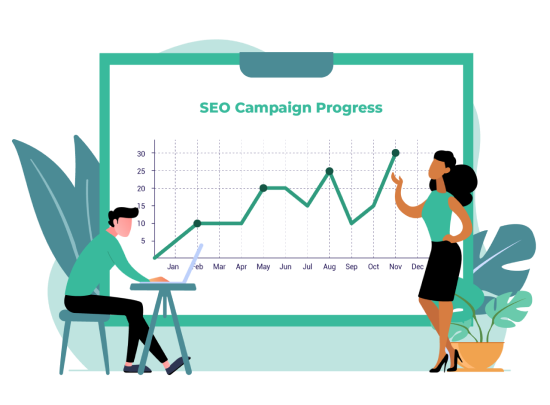
    Filipino SEO teams prioritize transparency by providing regular progress reports throughout the campaign. These reports typically include key performance indicators (KPIs) such as website traffic, keyword rankings, backlinks, and overall SEO improvements. By presenting this data in a clear, easy-to-understand format, clients can track the effectiveness of the strategies being implemented and assess the return on investment (ROI). Regular updates help clients stay informed and confident that their SEO efforts are aligned with their business goals.

    In addition to performance metrics, Filipino SEO teams also offer insights into ongoing adjustments and improvements. These reports often come with recommendations for further optimization, ensuring that the SEO strategy evolves with changes in search engine algorithms and business needs. This open communication fosters a collaborative partnership, allowing clients to make informed decisions and stay actively involved in their SEO journey.

    How do Filipino SEO teams maintain open communication with their clients?

    Filipino SEO teams maintain open communication with their clients through various methods to ensure transparency, collaboration, and alignment with business goals. Here’s how they do it:

    • Regular Check-ins: SEO teams often schedule weekly or bi-weekly calls to update clients on progress, discuss results, and address any concerns. These meetings foster a continuous dialogue, ensuring clients are always in the loop.
    • Email and Messaging: For immediate or less formal communication, email is commonly used for reports, updates, and follow-ups. Messaging platforms like Slack or WhatsApp are also popular for real-time communication, allowing for quick questions and answers.
    • Project Management Tools: Many Filipino SEO teams use project management tools like Trello, Asana, or Basecamp to organize tasks, assign deadlines, and provide clients access to live project updates. This allows clients to track progress in real-time and communicate directly with the team.
    • Comprehensive Reporting: Filipino SEO teams provide detailed monthly reports that include key metrics such as traffic, rankings, and backlinks. These reports are designed to be easy to understand, with clear data visualizations and actionable insights.
    • Transparency and Feedback Loops: Filipino SEO agencies often encourage feedback at each stage of the project, ensuring the client’s objectives are met and any adjustments are made promptly. This ensures a high level of client involvement throughout the SEO process.

    These communication practices help Filipino SEO teams build strong, lasting relationships with clients while maintaining trust and ensuring that the SEO strategy is effectively executed.

    What methods do Filipino SEO teams use to provide regular updates?

    Filipino SEO teams use several methods to provide regular updates and ensure clients are informed throughout the SEO process. Here are the common methods:

    • Email Reports: Filipino SEO teams often send detailed email reports on a weekly or monthly basis. These reports include key performance indicators (KPIs), such as keyword rankings, organic traffic, and backlink acquisition. The reports are typically clear and easy to understand, with data visualizations to highlight progress.
    • Project Management Tools: Tools like Trello, Asana, or Basecamp are used to keep clients updated on task progress. These platforms allow clients to see the status of ongoing work, upcoming tasks, and completed deliverables, offering real-time visibility into the project.
    • Scheduled Video Calls/Meetings: Regular video calls or meetings via Zoom or Google Meet are commonly scheduled, allowing SEO teams to discuss progress, address questions, and make recommendations. These calls provide a more personal and interactive update compared to emails.
    • Google Data Dashboards: Some Filipino SEO teams provide clients access to custom Google Data Studio dashboards or similar tools, allowing clients to monitor real-time metrics like traffic, keyword rankings, and conversions. This method offers immediate, transparent access to SEO performance.
    • Instant Messaging: For more immediate or informal updates, platforms like Slack, Skype, or WhatsApp are used. These tools allow SEO teams to send quick progress updates, answer client questions, and address issues in real-time.

    By using these methods, Filipino SEO teams ensure that clients are consistently informed, fostering strong communication and trust throughout the project.

    Why is consistent reporting important when working with a Filipino SEO team?

    Consistent reporting is crucial when working with a Filipino SEO team for several reasons:

    • Transparency and Trust: Regular reports provide clear visibility into the progress of SEO efforts, helping build trust between the client and the agency. Clients can see how their investment is paying off and whether the strategies are working as expected. This transparency ensures there are no surprises and that the team is accountable for their work.
    • Informed Decision-Making: Consistent reporting allows clients to make informed decisions based on data. By tracking key metrics like keyword rankings, organic traffic, and conversions, clients can understand what’s working and what needs adjustment. This helps in refining strategies and ensuring the SEO campaign stays aligned with business goals.
    • Identifying Opportunities for Improvement: Regular updates highlight areas where performance may be lacking, allowing both the client and the SEO team to address issues promptly. This proactive approach ensures that SEO strategies evolve with search engine changes and business needs.
    • Measuring ROI: With consistent reporting, clients can evaluate the return on investment (ROI) from their SEO efforts. By analyzing the growth in traffic, rankings, and other key performance indicators, clients can gauge the effectiveness of their SEO campaign and adjust their budget or strategy accordingly.
    • Fostering Communication: Regular reports foster ongoing communication between the Filipino SEO team and the client. This ensures that the client feels involved and informed, leading to a more collaborative partnership and a greater likelihood of success.

    Consistent reporting is essential for maintaining transparency, guiding strategy, measuring success, and ensuring that the SEO project delivers the expected results.

    How can clients benefit from transparent progress reports from Filipino SEO professionals?

    Clients can gain several benefits from transparent progress reports provided by Filipino SEO professionals:

    • Clear Insight into Performance: Transparent progress reports give clients a detailed view of how their SEO efforts are performing, including key metrics like keyword rankings, organic traffic, and conversion rates. This allows clients to track improvements and understand where their SEO investment is going.
    • Better Decision-Making: With regular, clear updates, clients are empowered to make informed decisions about their digital marketing strategy. They can adjust focus areas, allocate resources efficiently, and refine goals based on data-driven insights from the reports.
    • Increased Trust and Confidence: Regular and transparent reporting builds trust between the client and the Filipino SEO team. Clients feel more secure knowing they are working with professionals who are accountable and open about their strategies and outcomes.
    • Proactive Problem-Solving: Transparent reports highlight any areas of underperformance or challenges early on. This allows the SEO team to take corrective actions promptly, helping to minimize setbacks and keep the project on track.
    • ROI Clarity: With detailed progress reports, clients can directly assess the return on investment (ROI) of their SEO campaign. Understanding how traffic, rankings, and conversions are improving gives clients a clear picture of how SEO is driving business growth.
    • Enhanced Collaboration: Transparent reports facilitate better communication and collaboration. Clients are kept in the loop, can ask questions, and provide feedback, ensuring that both the client and the SEO team are aligned in achieving business objectives. 

    In essence, transparent progress reports empower clients to track, evaluate, and optimize their SEO efforts, fostering trust and ensuring long-term success. 

    Experience Transparency with Regular SEO Progress Reports Today! 

    At MJM Digital Marketing, we believe in the power of transparency. Our Filipino SEO team delivers regular progress reports that provide clear insights into your website’s performance. From keyword rankings to organic traffic and conversions, our detailed reports help you understand how your SEO efforts are contributing to your business growth. We focus on open communication, ensuring you stay informed and confident in the strategies we’re implementing. With our transparent reporting, you can make data-driven decisions and adjust strategies to stay ahead of the competition. Partner with us today for transparent, results-driven SEO!